A Practical Look at Automation in Aluminum Casting Operations
Wiki Article
Just How Robot Automation Rises Efficiency in Advanced Light Weight Aluminum Foundries
Robot automation is changing the landscape of innovative light weight aluminum shops. By reducing hands-on intervention, these systems improve performance throughout various production procedures. Jobs such as mold and mildew handling and product transport are structured, resulting in substantial reductions in cycle times. However, the effects of this shift expand past mere rate and price savings. As technology advances, a closer assessment reveals much deeper understandings into the future of production in this sector.The Function of Robotics in Aluminum Spreading Processes
Robotics reinvent light weight aluminum casting procedures by boosting effectiveness and accuracy. In modern shops, robot systems automate different tasks such as mold handling, pouring, and material transportation, considerably minimizing cycle times. By utilizing innovative algorithms and sensors, robots can execute repetitive tasks with unrivaled speed and uniformity, lessening human error and maximizing output.The combination of robotics permits seamless coordination in between various stages of the spreading procedure. Automated systems can take care of the circulation of materials, ensuring that parts await succeeding steps right away. This streamlining of operations not just heightens efficiency but likewise lowers labor prices and the danger of work environment injuries.

Enhancing Accuracy and Quality Assurance
Accuracy in aluminum factories is significantly enhanced through the combination of automated systems that keep track of and manage different elements of the casting process. Aluminum Casting Company. These systems make use of real-time information and sophisticated sensors analytics to ensure that each stage of production sticks to strict specifications. Automated systems can change specifications such as pressure, material, and temperature flow instantaneously, decreasing the possibility of problems and ensuring uniformity in the final product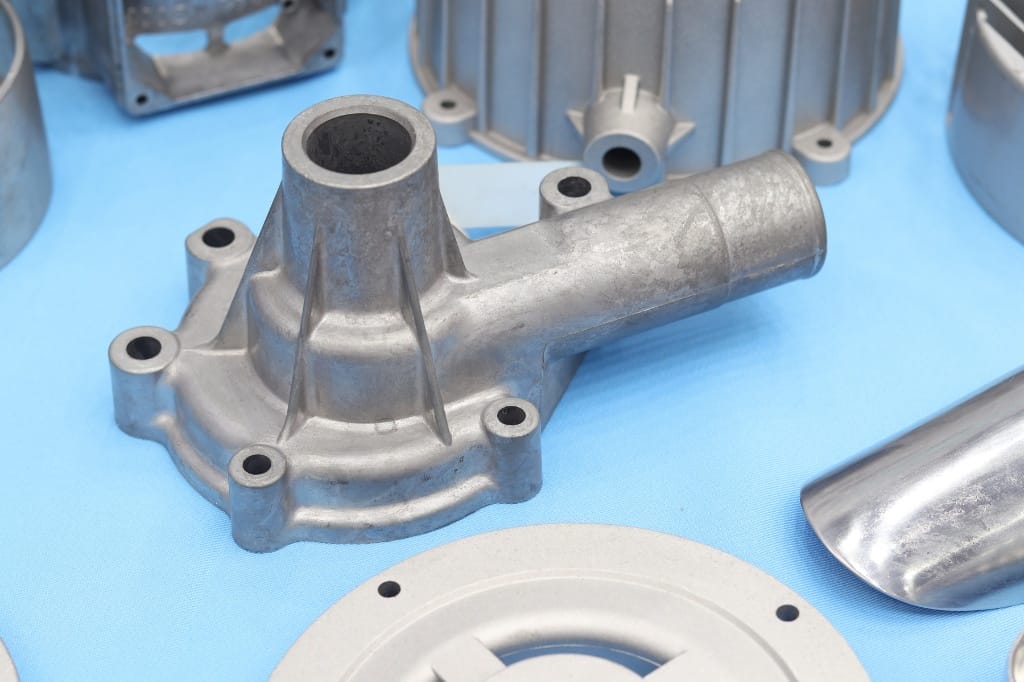
Decreasing Labor Costs With Automation
Automating procedures in aluminum foundries greatly lowers labor expenses by minimizing the requirement for hands-on intervention in repeated and lengthy tasks. By executing robotic systems, shops can lower the workforce required for procedures such as molding, putting, and ending up. This shift not just reduces incomes and benefits yet likewise mitigates costs related to hiring, training, and employee turnover.Furthermore, automation enhances performance, permitting devices to operate constantly with marginal downtime, which better contributes to set you back savings. As robots perform tasks with high precision and consistency, the demand for considerable high quality control steps diminishes, leading to additional cost savings.
The assimilation of automation also allows human employees to concentrate on more complicated and value-added tasks, optimizing total functional efficiency. The modification to robotic automation emerges as a tactical financial investment, enabling aluminum factories to stay competitive in a swiftly developing market while considerably minimizing labor expenditures.
Streamlining Material Handling and Logistics
In the context of aluminum factories, enhancing product handling and logistics is important for improving operational efficiency. Automated product transport systems can significantly decrease manual labor, while inventory management optimization assurances that resources are made use of successfully. In addition, real-time tracking services offer visibility right into the supply chain, facilitating prompt decision-making and decreasing hold-ups.Automated Product Transportation Systems
A significant improvement in light weight aluminum factories is the execution of automated product transport systems, which enhance the efficiency of product handling and logistics. These systems utilize robot vehicles and conveyor belts to assist in the smooth activity of resources and ended up products throughout the manufacturing procedure. By minimizing human intervention, they minimize the danger of crashes and mistakes, resulting in much safer working settings. Furthermore, automated transport systems optimize operations by making certain timely delivery of products to different processing stations, eventually boosting efficiency. The integration of real-time monitoring technologies additionally permits specific monitoring of material flow, enabling quick adjustments to operational needs. In general, these technologies especially improve logistics, making sure that factories satisfy manufacturing targets with greater dependability.Stock Monitoring Optimization
While standard stock administration in light weight aluminum shops often deals with ineffectiveness, the adoption of innovative optimization methods significantly improves material handling and logistics (Aluminum Foundry). Automated systems simplify the circulation of products, lessening and decreasing lead times supply disparities. By carrying out just-in-time stock practices, factories can maintain optimal stock degrees, therefore decreasing holding prices and waste. Robotics also play an important duty in organizing and moving products, ensuring that elements are conveniently obtainable when needed. Progressed analytics facilitate better forecasting, allowing for even more precise need preparation. This holistic method to stock monitoring not just boosts efficiency however additionally contributes to an extra sustainable procedure by decreasing excess stock and enhancing source allocation within the foundry environmentReal-time Monitoring Solutions
Effective supply management establishes the phase for the execution of real-time tracking services in aluminum factories. These services leverage progressed technologies such as RFID and IoT sensors to keep an eye on products throughout the manufacturing procedure. By supplying presence into the place and standing of basic materials and finished products, real-time tracking boosts decision-making and minimizes delays. This proactive technique improves product handling and logistics, ensuring that elements are readily available when required, thereby lowering waste and boosting functional performance. Furthermore, the information accumulated can be analyzed to identify traffic jams and maximize workflows, bring about continual enhancement in manufacturing processes. Eventually, real-time tracking solutions contribute significantly to the overall performance and responsiveness of light weight aluminum shops in a significantly competitive market.Boosting Manufacturing Rate and Output
Robot automation substantially improves production speed and outcome in aluminum factories, enabling for structured procedures and decreased cycle times. Aluminum Casting. By integrating robotics into various phases of the manufacturing procedure, foundries can achieve greater throughput and efficiency. Automated systems can operate continuously, carrying out jobs such as casting, machining, and finishing with exceptional accuracy and rateThe capacity to program robots for specific jobs enables shops to swiftly adjust to transforming production needs, thereby enhancing resource allotment. Additionally, robot systems can take care of several procedures simultaneously, greatly increasing the volume of result without giving up top quality. This performance results in much shorter preparations and a more receptive production environment.
As production speed increases, shops can much better fulfill consumer needs and boost their one-upmanship out there. Robot automation plays a crucial function in driving the future of aluminum shop operations, ultimately leading to boosted success and sustainability.
Minimizing Human Mistake in Production
As hand-operated procedures commonly introduce variability and disparities, reducing human mistake in manufacturing comes to be necessary for light weight aluminum factories going for peak performance and top quality. The combination of robotic automation significantly decreases the reliance on human drivers, thus decreasing the chance of blunders. Robotics regularly execute tasks with high accuracy, making certain harmony in aluminum spreading procedures.In addition, automation improves workflows by systematizing operations, which aids to eliminate the variances generally related to hands-on labor. By utilizing advanced sensors and real-time tracking, robot systems can detect anomalies and make modifications instantly, more reducing the possibility for mistakes.
Training and oversight can still be essential, however the general dependence on human treatment is decreased. This shift not only enhances item quality but additionally contributes to safer job environments by decreasing the dangers connected with human mistake. Inevitably, robot automation brings about more reputable production processes in aluminum factories.
Future Fads in Robotic Automation for Shops
The future of robot automation in aluminum foundries is positioned for significant developments. Enhanced accuracy and accuracy will be achieved via the integration of artificial intelligence modern technologies, enabling smarter and extra reliable processes. In addition, the increase of collaborative robotics promises to change procedures by making it possible for smooth interaction in between equipments and human employees.Boosted Accuracy and Accuracy
While typical techniques in aluminum factories typically battle with consistency, improvements in automation technology are leading the way for boosted accuracy and precision in manufacturing procedures. Robotic systems outfitted with cutting edge sensing units and control formulas can implement tasks with unparalleled exactness, minimizing human mistake and material waste. These automated remedies facilitate accurate dimensions and changes throughout casting, ensuring that items satisfy rigorous specs. Additionally, the capacity to duplicate procedures with high integrity permits foundries to preserve high quality throughout huge production runs. As these robot systems come to be much more integrated into shop operations, they will greatly lower variability, leading to boosted item reliability and client contentment. Enhanced precision and precision therefore stand for an essential trend in the future of robotic automation in aluminum shops.Assimilation of AI Technologies
Robotic automation in aluminum foundries is set to undergo substantial improvement with the combination of fabricated knowledge (AI) modern technologies. These developments will certainly allow robots to gain from information, adjust to altering problems, and maximize procedures in real-time. By carrying out AI formulas, shops can enhance anticipating maintenance, minimizing downtime and improving overall performance. Furthermore, AI can analyze manufacturing patterns, enabling for far better resource allowance and waste decrease. The incorporation of artificial intelligence will certainly result in smarter automation systems with the ability of making autonomous decisions, additionally enhancing operations. Consequently, light weight aluminum shops will not just attain higher performance yet also maintain superior high quality control, positioning themselves competitively in the rapidly evolving production landscape.Collaborative Robotics in Workflow
As the need for effectiveness and versatility in light weight aluminum foundries raises, collaborative robotics is emerging as a critical pattern in operational automation. These innovative systems enable human operators and robots to work side by side, improving performance while maintaining safety criteria. Collaborative robots, or cobots, are made to assist in jobs such as material handling, top quality inspection, and setting up procedures, properly decreasing manual workloads. Their adaptability allows quick reconfiguration for various jobs, making them excellent for the dynamic atmospheres of factories. Additionally, with user-friendly user interfaces, operators can conveniently program and control cobots without comprehensive technical training. This combination of joint robotics not only enhances operations however additionally promotes an extra responsive and reliable production procedure in aluminum shops.Often Asked Questions
What Sorts of Robots Are Generally Made Use Of in Aluminum Foundries?
Commonly used robotics in light weight aluminum shops include industrial robot arms for product handling, automated directed vehicles for transport, and collective robotics for tasks calling for human communication, boosting security and accuracy throughout the production process.How Much Initial Financial Investment Is Required for Robotic Automation?
The initial financial investment for robotic automation in factories normally varies from $100,000 to numerous million bucks, depending on variables such as tools complexity, installation requirements, and the scale of automation wanted for manufacturing procedures.Can Robots Job Together With Person Employees in Foundries?
Yes, robotics can function together with Aluminum Foundry human employees in factories. This collaboration boosts performance, as robotics undertake repeated jobs while humans concentrate on complicated operations, causing improved safety and security and efficiency within the production setting.What Precaution Are Implemented With Robotic Equipments?
Safety and security measures for robot systems include emergency situation quit switches, security obstacles, normal maintenance checks, programmable security areas, and durable training programs for human employees to assure a protected interaction in between humans and robotics in industrial atmospheres.
How Does Robotic Automation Affect Environmental Sustainability in Foundries?
Robotic automation enhances environmental sustainability in foundries by reducing power usage, reducing waste, and boosting material effectiveness. These systems enhance processes, resulting in reduced exhausts and a smaller ecological footprint in light weight aluminum manufacturing.Robot automation is changing the landscape of innovative light weight aluminum foundries. Robot automation substantially improves production rate and outcome in aluminum shops, enabling for structured procedures and lowered cycle times. The future of robot automation in aluminum factories is poised for considerable improvements. Robot automation in light weight aluminum shops is established to go through considerable makeover with the integration of artificial knowledge (AI) technologies. As the demand for effectiveness and versatility in light weight aluminum factories enhances, collective robotics is arising as a critical pattern in functional automation.
Report this wiki page